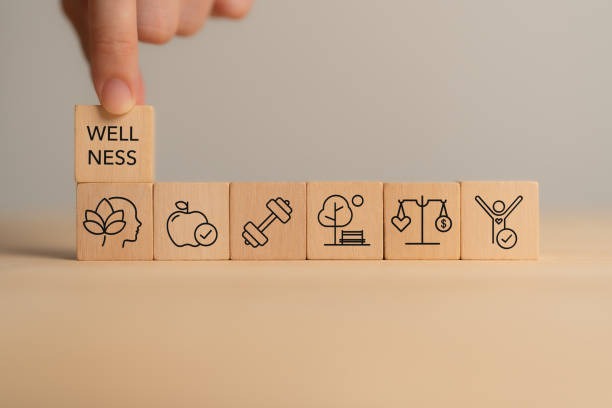
Building better daily habits is essential for improving overall health and well-being. Practical steps toward this goal often begin with small, manageable changes that gradually become part of a consistent routine. One effective approach is to prioritize sleep by establishing a regular bedtime and wake-up time, which helps regulate the body’s internal clock and enhances energy levels throughout the day. Avoiding screens at least an hour before sleep can also improve rest quality by reducing exposure to blue light that disrupts melatonin production.
Nutrition plays a critical role in developing healthier habits. Instead of drastic dieting, focus on incorporating more whole foods such as fruits, vegetables, lean proteins, and whole grains into meals. Drinking sufficient water daily supports bodily functions and reduces unnecessary snacking caused by dehydration mistaken for hunger. Preparing meals ahead of time can prevent impulsive food choices driven by convenience or stress.
Physical activity should be integrated naturally rather than viewed as a chore. Finding enjoyable forms of exercise increases the likelihood of maintaining consistency over time. Whether it’s walking during breaks at work, cycling to nearby destinations, or practicing yoga at home, moving regularly benefits cardiovascular health, improves mood through endorphin release, and boosts metabolism.
Mental health deserves equal attention when forming new routines. Setting aside moments for mindfulness practices like meditation or deep breathing exercises can reduce women’s health peptides stress levels significantly. Journaling thoughts or feelings each day offers clarity and helps identify patterns that may hinder progress toward healthier living goals.
Accountability mechanisms are also valuable tools for sustaining improvements in daily habits. Sharing objectives with friends or family members creates support networks that encourage adherence through mutual motivation and constructive feedback. Using apps designed for habit tracking provides visual reminders of progress while highlighting areas needing adjustment.
Consistency is more important than perfection when building lasting habits; occasional setbacks should not discourage continued effort but rather serve as learning opportunities to refine strategies further. Breaking tasks into smaller steps prevents overwhelm and allows gradual adaptation without sacrificing momentum.
Incorporating these practical tips fosters a balanced lifestyle where physical vitality aligns with mental resilience over time. By focusing on realistic actions tailored to individual preferences and circumstances, anyone can cultivate better health behaviors that endure beyond temporary enthusiasm or external pressures alone. The key lies in commitment combined with flexibility-adapting methods as needed while keeping long-term wellness firmly in sight ensures meaningful change becomes achievable every day without undue strain or complexity interfering along the way.