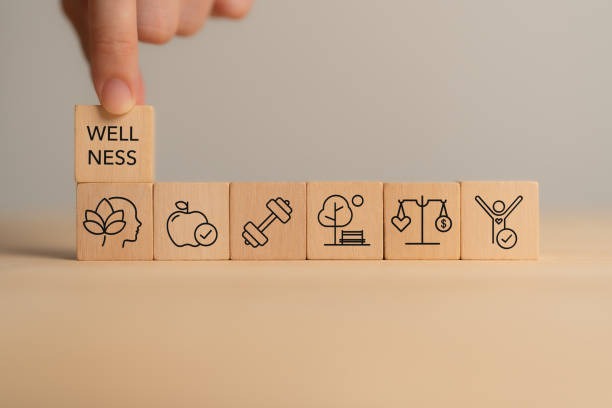
Stress management plays a crucial role in maintaining a healthier lifestyle by influencing both mental and physical well-being. When stress is not managed properly, it can lead to various health problems such as high blood pressure, weakened immune function, anxiety, and depression. Incorporating effective stress management techniques helps reduce these risks and supports overall wellness. A healthier lifestyle is not only about diet and exercise but also about how individuals handle the pressures of daily life. Managing stress effectively allows people to maintain better focus, improve mood stability, and enhance their ability to cope with challenges.
One important aspect of integrating stress management into a healthy routine is recognizing the sources of stress. Stress can arise from work demands, personal relationships, financial concerns, or even internal pressures like perfectionism. Identifying these triggers enables individuals to take proactive steps toward best peptides for sleep reducing their impact. Techniques such as mindfulness meditation encourage present-moment awareness that helps calm the mind and diminish anxiety levels. Regular practice of relaxation methods like deep breathing exercises or progressive muscle relaxation provides immediate relief from tension and promotes a sense of calmness.
Physical activity also serves as an excellent tool for managing stress within a healthy lifestyle framework. Exercise stimulates the release of endorphins-natural chemicals in the brain that act as mood elevators-and reduces levels of cortisol, the primary hormone associated with stress response. Engaging in activities like walking, swimming, yoga, or cycling not only improves cardiovascular health but also contributes significantly to emotional resilience against everyday pressures.
Nutrition plays an indirect yet vital role in supporting effective stress management strategies. Consuming balanced meals rich in vitamins and minerals strengthens bodily systems involved in coping with stressful situations while avoiding excessive caffeine or sugar intake prevents unnecessary spikes in energy followed by crashes that may exacerbate feelings of irritability or fatigue.
Social connections are another essential component when considering how managing stress fits into a healthier lifestyle. Strong relationships provide emotional support that buffers against negative effects caused by stressful events; sharing concerns with trusted friends or family members often leads to practical solutions or simply offers comfort during difficult times.
Incorporating adequate sleep routines further complements efforts toward reducing chronic stress exposure since restorative sleep enhances cognitive functions such as memory and decision-making skills while regulating emotions more effectively throughout the day.
Ultimately, adopting consistent habits focused on controlling stress equips individuals with greater control over their lives while fostering improved physical health outcomes along with psychological balance. By addressing mental strain alongside traditional elements like nutrition and exercise within a comprehensive approach to wellness, people can achieve sustained improvements that contribute meaningfully toward living healthier lives overall.