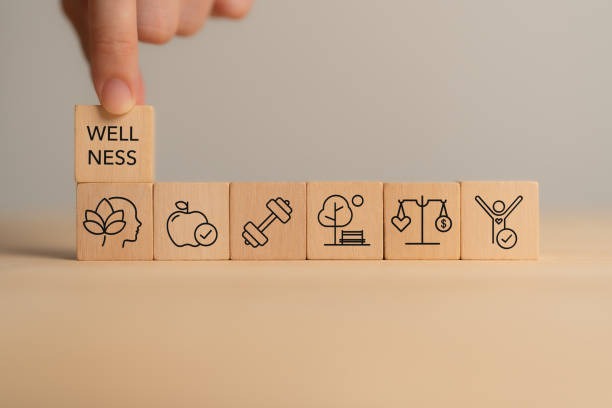
Building more balance into daily life is essential for overall well-being and productivity. Achieving a harmonious lifestyle involves managing time, energy, and priorities effectively. One of the most important steps toward greater balance is setting clear boundaries between work and personal time. This can be accomplished by designating specific hours for professional tasks and ensuring that leisure or family moments are protected from interruptions. Creating a routine that respects these divisions helps prevent burnout and fosters mental clarity.
Incorporating regular physical activity into the day also contributes significantly to balance. Exercise not only improves physical health but also reduces stress levels, enhances mood, and boosts energy. It does not require long sessions; even short walks or stretching breaks throughout the day can make a meaningful difference in maintaining equilibrium between mind and body. Prioritizing movement encourages better sleep patterns as well, which further supports emotional stability.
Mindfulness practices such as meditation or deep breathing exercises provide valuable tools for cultivating inner calm amidst daily demands. Taking a few minutes each day to focus on breathing or engage in guided meditation can reduce anxiety and improve concentration. These techniques help individuals become more aware of their thoughts and feelings without becoming overwhelmed by them, promoting resilience when facing challenges.
Nutrition plays a crucial role in sustaining balanced living too. Consuming nutritious meals at regular intervals stabilizes energy levels throughout the day, preventing fatigue caused by blood sugar best peptides for weight loss 2026 fluctuations. Emphasizing whole foods like fruits, vegetables, lean proteins, and whole grains nourishes both body and brain while limiting processed foods that may contribute to sluggishness or irritability.
Social connections are another vital element of maintaining balance in life. Spending quality time with friends or family members provides emotional support and opportunities for relaxation outside work-related responsibilities. Engaging in meaningful conversations strengthens relationships that serve as buffers against stress.
Finally, learning to say no when necessary protects personal time from becoming overloaded with commitments beyond one’s capacity to manage effectively. Being selective about obligations allows space for rest and activities that bring joy rather than exhaustion.
By integrating these healthy habits-setting boundaries, moving regularly, practicing mindfulness, eating well, nurturing relationships, and managing commitments thoughtfully-individuals can create a sustainable rhythm that promotes balance every day. This approach leads not only to improved health but also enhanced satisfaction across all areas of life through mindful attention to what matters most at any given moment.