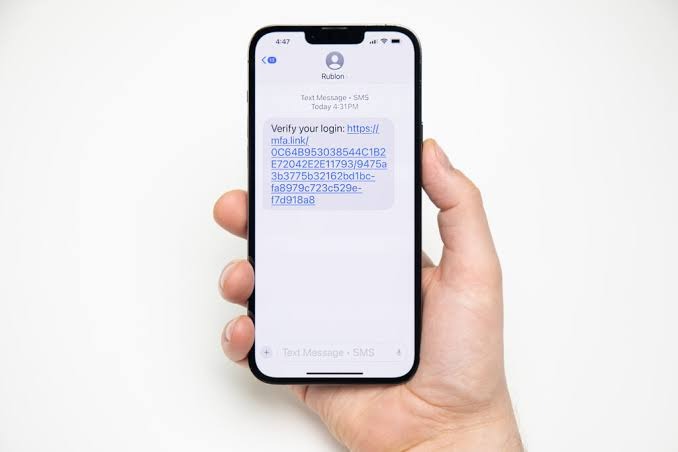
In today’s digital age, security and user verification have become paramount concerns for both service providers and users. One of the most prevalent methods to ensure security is through SMS verification. This process involves sending a unique code via text message to a user’s registered mobile number, which they must then enter into a website or app to verify their identity. Understanding the purpose behind SMS verifications helps illuminate why this method has become so widely adopted and trusted.
At its core, SMS verification serves as an additional layer of security in the authentication process. With cyber threats on the rise, relying solely on usernames and passwords is no longer sufficient. Passwords can be easily guessed or stolen through phishing attacks or data breaches. By adding an extra step that requires access to a physical device—namely, the user’s mobile phone—SMS verification significantly reduces unauthorized access.
Moreover, SMS verification enhances user trust by ensuring that only legitimate users gain entry to sensitive information or services. For businesses, maintaining customer trust is crucial; implementing robust security measures like SMS verification demonstrates their commitment to protecting user data.
Another critical purpose of SMS verification lies in its role in preventing fraudulent activities such as account takeovers and identity theft. When individuals attempt unauthorized actions Travel eSIM on an account—such as changing login credentials or making large transactions—the system can trigger an SMS alert requiring confirmation from the rightful owner before proceeding further.
Additionally, for many organizations operating globally, mobile phones are ubiquitous tools that provide reliable communication channels across diverse geographic regions. Unlike email-based verifications which may end up filtered into spam folders unnoticed by recipients’ eyes altogether – texts typically reach intended targets directly within seconds due largely thanks due advancements made possible through modern telecommunication networks worldwide today!