

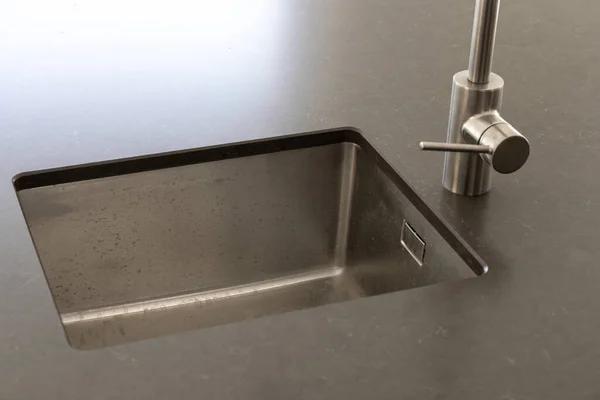
When choosing a stainless utility sink, especially for those new to this type of product, several important factors should be considered to ensure the sink meets your needs effectively. Stainless steel is a popular material for utility sinks because of its durability, resistance to corrosion, and ease of cleaning. These sinks are ideal for laundry rooms, garages, workshops, and commercial settings where heavy-duty use is common. Understanding the features and specifications of stainless utility sinks will help you make an informed decision.
First, consider the size and depth of the sink. The dimensions should match the available space and the tasks you plan to perform. A larger sink with a deep basin is beneficial for washing large items, soaking clothes, or handling messy jobs. However, if space is limited, a more compact model may be necessary. Measuring the installation area accurately is essential before purchasing to avoid fitting issues later.
The gauge of the stainless steel is another key consideration. Gauge refers to the thickness of the steel; a lower gauge number indicates thicker and more durable material. For utility sinks, gauges between 16 and 20 are common. Thicker steel sinks tend to be more robust and less prone to dents or damage from heavy use. They also typically produce less noise when water or objects hit the surface. While thicker sinks may cost more upfront, their longevity can justify the investment.
Next, evaluate the mounting style. Utility sinks come in various installation types including wall-mounted, freestanding, and drop-in. Wall-mounted sinks save floor space and are easier to clean around, but they require sturdy wall support. Freestanding sinks often include a frame or legs and can be relocated if needed. Drop-in sinks fit into a countertop or cabinet, providing a seamless look but demanding precise cutouts for installation.
Another aspect to review is the faucet configuration. Some stainless utility sinks come with pre-drilled holes for faucets, while others do not. Consider the type of faucet that suits your needs, such as a swivel spout or a pull-out sprayer, which can add convenience when washing large or awkward items. Make sure the faucet’s size and style complement the sink and the surrounding area.
Drain placement and accessories also impact usability. Some sinks have center drains, while others may have offset drains to maximize basin space or fit plumbing configurations. Additional features like built-in drainboards, shelves, or backsplash lips can enhance functionality depending on your requirements.
Finally, look for sinks with a smooth, brushed finish. This finish helps hide scratches and fingerprints, keeping the sink looking cleaner longer. Ensure the sink comes from a reputable manufacturer with good customer reviews to guarantee quality and after-purchase support.
By carefully considering size, material gauge, mounting style, faucet options, and additional features, beginners can confidently select a Stainless utility sink that will serve both their practical needs and space limitations effectively.

