When dealing with heating, ventilation, and air conditioning (HVAC) systems, contractors often face the decision of whether to repair or replace a unit. While replacement might seem like the most straightforward solution in some cases, there are situations where an HVAC contractor may prefer to opt for repairs instead.
One common scenario is when the system in question is relatively new. If an HVAC unit has been installed within the past few years and experiences a malfunction, it often makes more sense economically and practically to repair it rather than replace it entirely. Newer systems typically have parts that are under warranty, which can significantly reduce repair costs. Additionally, these units generally incorporate modern technology designed for efficiency and longevity; thus, repairing them can restore their optimal functionality without necessitating a complete overhaul.
Another situation where repairs might be favored involves budget constraints. Not all clients have the financial flexibility to afford a full system replacement at any given time. In such cases, contractors may recommend targeted repairs that address specific issues while allowing homeowners or businesses to plan financially for eventual replacements down the line. This approach provides immediate relief from malfunctions while accommodating budget limitations.
The availability of parts also plays a open website crucial role in deciding between repair and replacement. For certain models or brands with readily available components, repairing an existing unit can be quicker and less disruptive than sourcing and installing a new system. This is particularly true if downtime needs to be minimized—such as in commercial settings where prolonged HVAC outages could impact operations negatively.
Environmental considerations might also lead an HVAC contractor to lean towards repairs over replacements. Repairing extends the lifespan of existing equipment and reduces waste by minimizing discarded materials associated with replacing entire units prematurely. Contractors who prioritize sustainability might choose this route when feasible improvements through repairs align with eco-friendly practices.
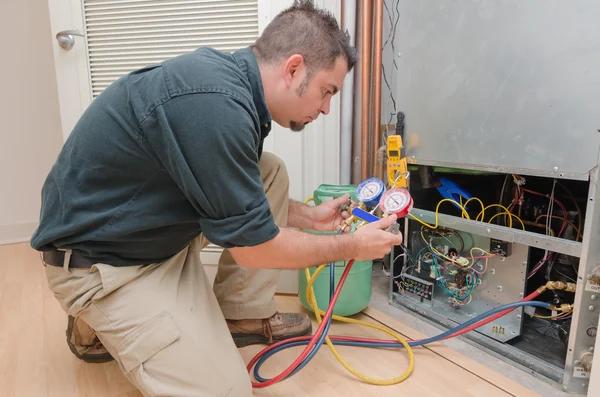
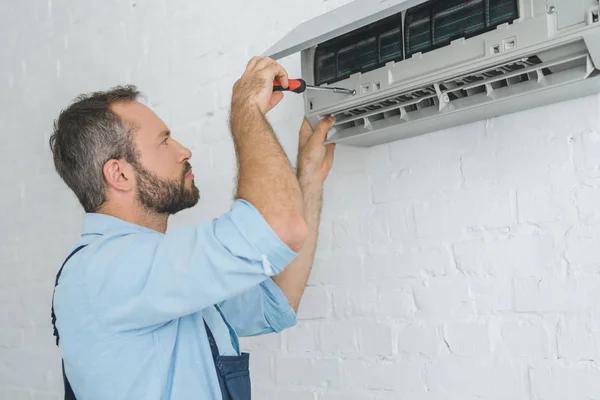
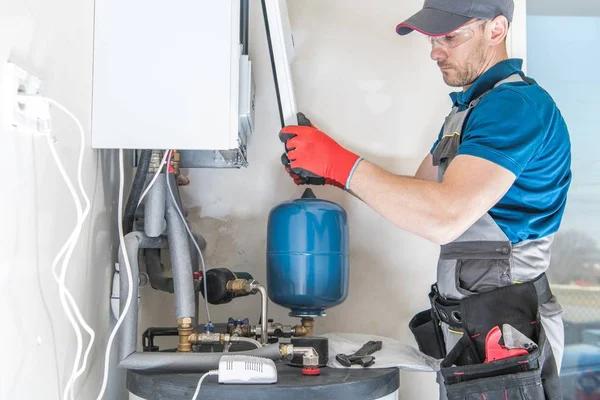
Moreover, some problems encountered by HVAC systems are minor or isolated incidents rather than indicative of systemic failures warranting replacement. Issues like clogged filters or faulty thermostats can often be resolved efficiently through simple fixes conducted by skilled technicians without needing extensive interventions involving new installations.
Finally, customer preference is another significant factor influencing this decision-making process; many clients develop attachments based on familiarity with their current systems’ operation nuances over time—especially if they’ve invested effort into understanding its maintenance requirements thoroughly—and may express strong preferences against outright replacements unless absolutely necessary.