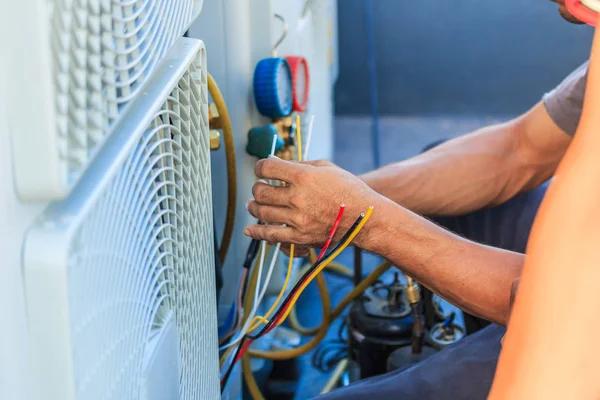
After a storm, it’s crucial to assess the condition of your air conditioner. Storms can wreak havoc on outdoor units, and recognizing signs that your air conditioner needs repair can prevent further damage and ensure efficient operation. Here are some key indicators that your AC unit may require attention after severe weather.
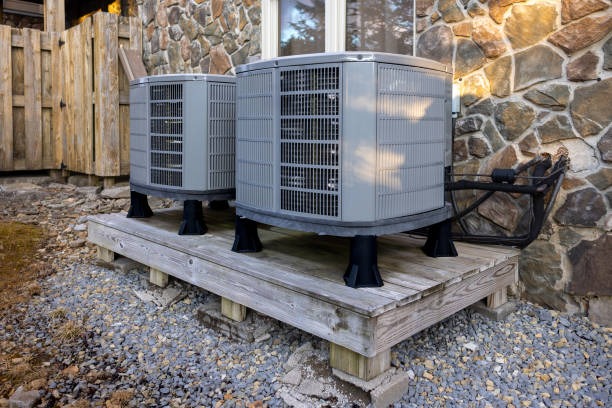
Firstly, physical damage is one of the most apparent signs. Inspect the exterior of your air conditioning unit for any visible dents, cracks, or displaced components caused by flying debris or falling branches during the storm. Any noticeable structural damage should be addressed promptly to prevent more significant issues from developing.
Another sign is unusual noises emanating from the unit when it operates. After a storm, if you hear grinding, squealing, or banging sounds that were not present before, this could indicate internal damage or debris lodged in the fan blades or other moving parts. Such noises often suggest mechanical problems that need professional evaluation and repair.
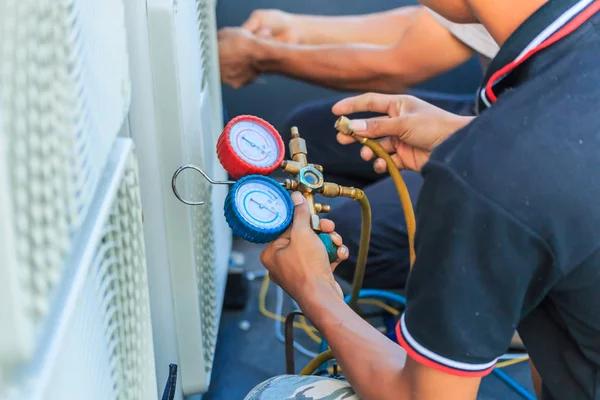
Additionally, reduced cooling efficiency is a common symptom following a storm-related issue with an air conditioner. If you notice that your home isn’t cooling as effectively as it did prior to the storm despite setting the thermostat at its usual temperature, there might be underlying explore website problems such as refrigerant leaks or damaged coils requiring immediate attention.
Water leakage around your indoor unit also signals potential trouble post-storm. Heavy rains can lead to excess moisture accumulation within the system if drainage lines become clogged with debris. This blockage can cause water to back up into your home instead of being expelled outside properly.
Moreover, frequent cycling on and off is another indicator something might be amiss with your AC system after adverse weather conditions have passed through an area; this behavior strains both electrical components like capacitors while reducing overall energy efficiency significantly over time without intervention soon enough!
If strange odors suddenly appear whenever turning on cooling equipment again post-storm event—such as musty smells indicating mold growth due possibly damp environments created inside ductwork because prolonged exposure rainwater infiltration—it’s vital address these concerns quickly avoid health risks associated poor indoor air quality!
Finally yet importantly: increased energy bills unexpected spike utility costs month-to-month basis serves red flag suggesting inefficiencies stemming malfunctioning HVAC systems needing immediate repairs restoring optimal performance levels once more! Keeping watchful eye out aforementioned warning signals ensures timely interventions preventing costly replacements down line safeguarding comfort safety household occupants alike throughout hot summer months ahead!
In conclusion: vigilance key maintaining functional reliable cooling solutions especially following intense meteorological events capable inflicting serious harm upon delicate machinery involved climate control processes homes everywhere today tomorrow beyond too!