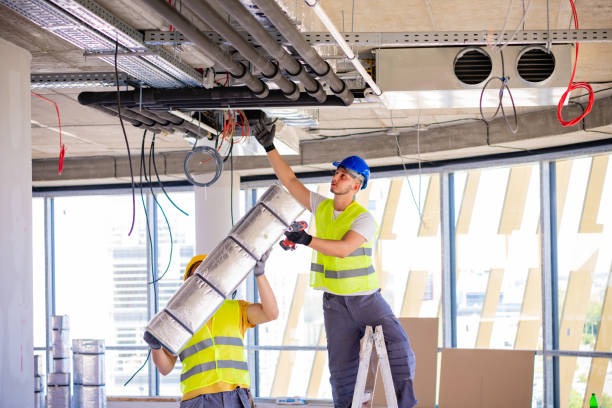
Maintaining an efficient HVAC system is crucial for ensuring comfort in both residential and commercial settings. However, the costs associated with frequent repairs or premature replacements can be burdensome. Implementing cost-effective troubleshooting techniques not only helps in identifying issues early but also extends the lifespan of your HVAC system.
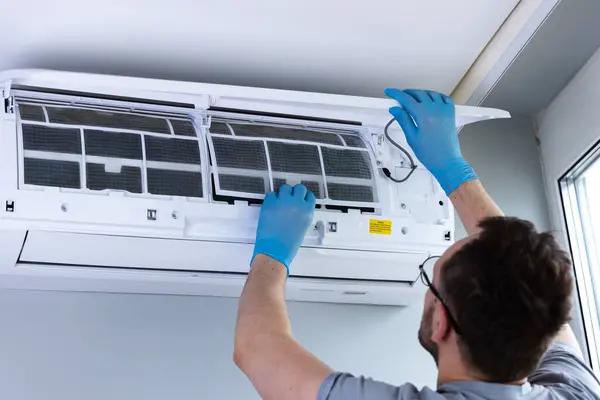
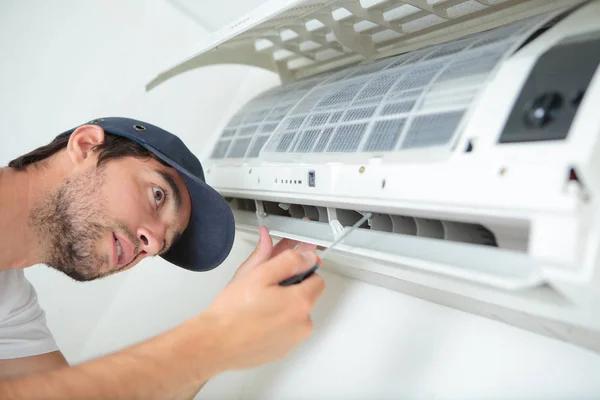
The first step in cost-effective troubleshooting is regular maintenance. Simple tasks such as changing air filters every 1-3 months can significantly improve airflow and efficiency, preventing unnecessary strain on the system. Clogged filters force the HVAC unit to work harder, which can lead to overheating and potential damage over time. Additionally, keeping vents clean and unobstructed ensures optimal air distribution throughout your space.
Another critical aspect of extending your HVAC system’s lifespan is monitoring its performance regularly. Listen for unusual noises like banging or screeching, which could indicate loose components or motor issues. Similarly, if you notice uneven heating or cooling across different areas, it may point to ductwork problems or thermostat malfunctions. Addressing these signs promptly can prevent minor issues from escalating into major repairs.
Investing in a programmable thermostat is another cost-effective strategy that enhances both efficiency and longevity of your HVAC system. These devices allow you to set specific temperatures for different visit our website times of the day, reducing energy consumption when heating or cooling isn’t necessary. By optimizing energy use, you reduce wear on the system’s components while simultaneously lowering utility bills.
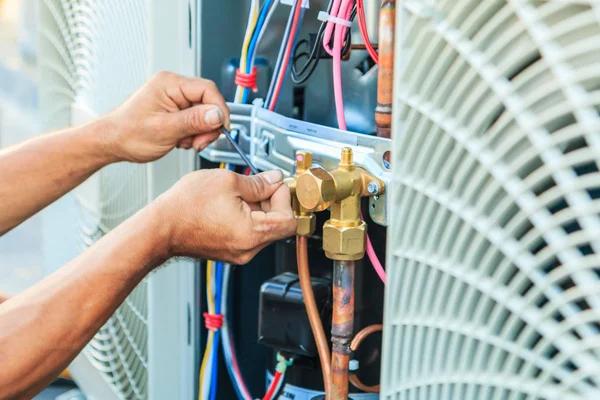
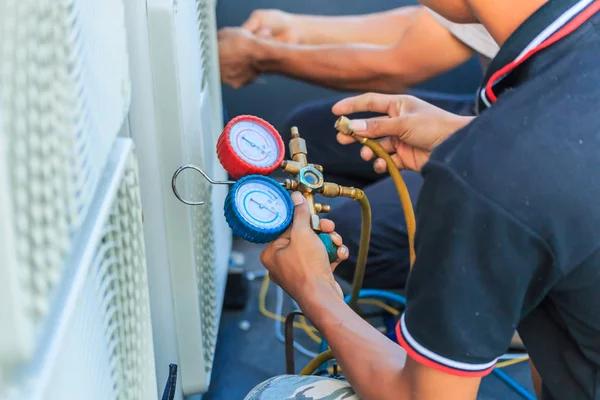
Inspecting refrigerant levels periodically is essential as well; low levels might suggest leaks that need immediate attention from a professional technician to avoid compressor failure—a costly repair compared to simple leak fixes.
Furthermore, checking electrical connections within your HVAC unit should not be overlooked during troubleshooting efforts. Loose wires or corroded connections can cause short circuits leading to component failures; therefore tightening any loose connections and cleaning away corrosion are preventive measures worth taking during routine checks.