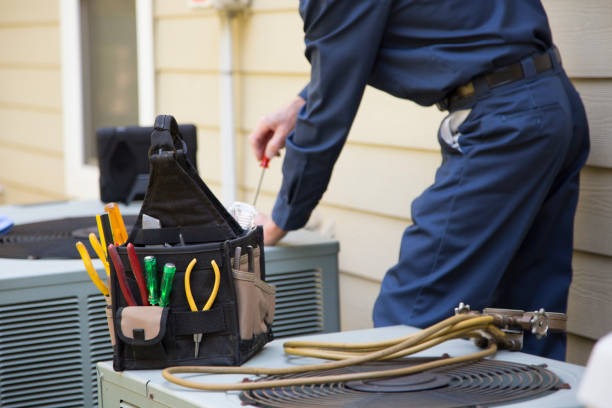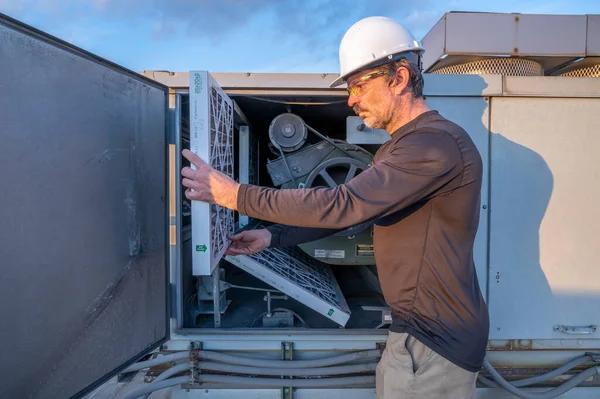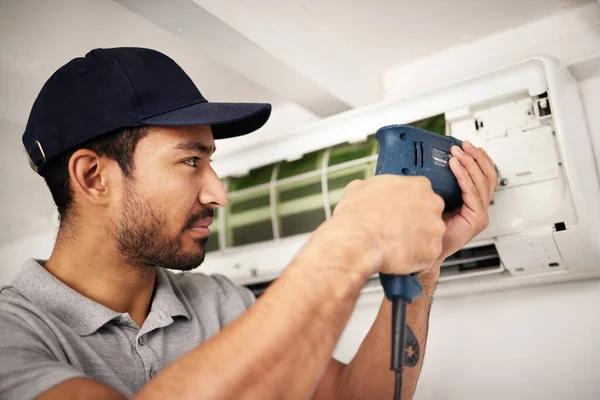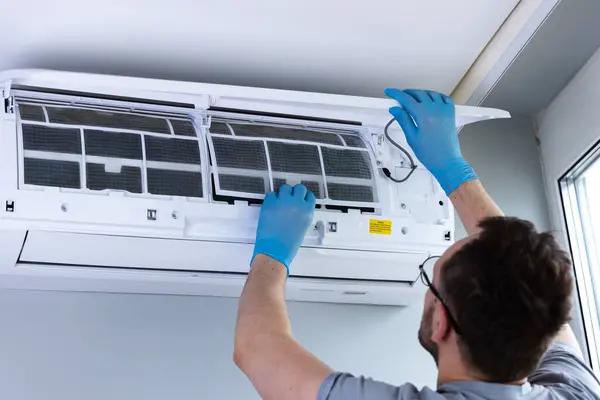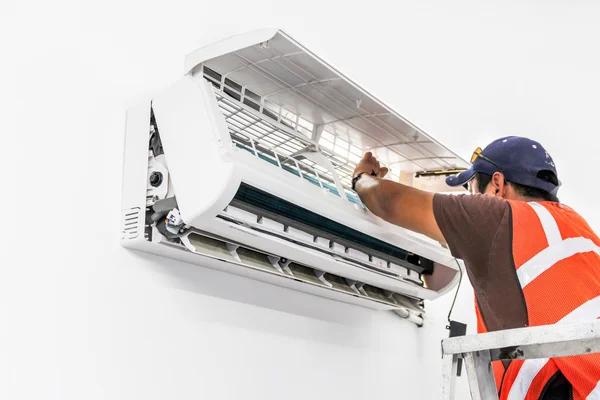
Proper air conditioning installation is a crucial factor that significantly influences the performance, efficiency, and longevity of your cooling system. Many homeowners underestimate the importance of professional installation, often opting for cheaper or quick solutions that can lead to costly problems down the line. The way an air conditioner is installed affects not only its ability to cool effectively but also how much energy it consumes and how long it will operate without major repairs.
When an air conditioning unit is installed correctly, it ensures optimal airflow throughout the space. Proper positioning of both indoor and outdoor components allows the system click to discover work as designed, preventing uneven cooling or hot spots in different rooms. This balance is essential for maintaining comfortable indoor temperatures consistently. Incorrect placement or poor sealing during installation can cause leaks in ductwork or refrigerant lines, which reduce efficiency and force the system to work harder than necessary.
Energy efficiency is another critical reason why proper installation matters so much. Air conditioners consume a significant amount of electricity in most households, so even small inefficiencies can translate into higher utility bills over time. A well-installed unit uses energy more effectively by minimizing losses caused by improper connections or inadequate insulation around ducts and pipes. This not only lowers monthly costs but also reduces environmental impact by decreasing overall power consumption.
Longevity of the equipment depends heavily on how well it was set up initially. Improper installation may cause frequent breakdowns due to strain on components like compressors and fans running under unfavorable conditions. For example, if refrigerant levels are incorrect because of leaks during setup, this can damage internal parts prematurely and lead to expensive repairs or early replacement needs.
Safety considerations also come into play with professional installation services. Handling refrigerants requires specialized knowledge since these chemicals must be managed carefully to avoid health hazards or environmental harm. Additionally, electrical connections need precise attention to prevent fire risks associated with faulty wiring.
Finally, many manufacturers require proof of professional installation for warranty coverage on their products. Skipping certified installers might void warranties altogether, leaving you responsible for all repair costs should issues arise later.
In summary, investing in proper air conditioning installation pays off through improved comfort levels, reduced energy expenses, extended equipment life span, enhanced safety measures, and valid warranty protection-all factors that make this step far more important than many realize when setting up a new cooling system at home or workplace environments alike.