Maintaining an air conditioning system is crucial for ensuring its efficiency and longevity. Regular maintenance can prevent costly repairs and extend the lifespan of the unit. Knowing when to schedule AC repair is essential to avoid unexpected breakdowns, especially during peak usage times like summer.
One of the most opportune times to schedule AC repair or maintenance is during the off-peak seasons, such as spring or fall. During these periods, HVAC professionals are generally less busy, allowing you more flexibility in scheduling appointments. Additionally, addressing potential issues before the onset of extreme temperatures ensures that your cooling system operates efficiently when it’s needed most.
Regularly monitoring your AC’s performance can also help in determining when repairs might be necessary. Unusual noises such as grinding or squealing may indicate mechanical problems that need attention. Similarly, if you notice a decline in cooling efficiency or uneven temperature distribution throughout your home, it could be a sign that components within the system require servicing.
Another critical indicator for scheduling AC repair is an unexpected increase in energy bills without a corresponding rise in usage. open this page can suggest that your system is working harder than necessary due to underlying issues like dirty filters or refrigerant leaks. Addressing these problems promptly not only improves efficiency but also reduces long-term costs associated with excessive energy consumption.
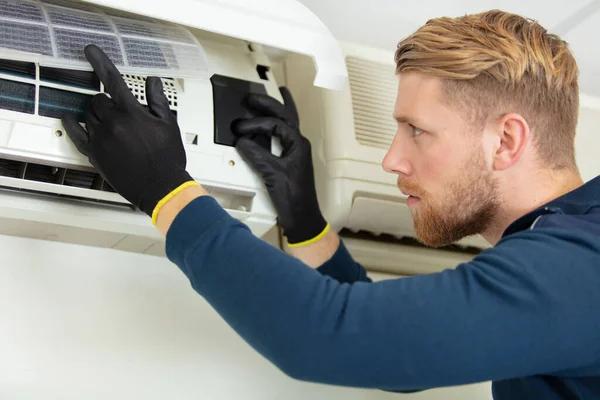
It’s important not to overlook routine maintenance tasks such as changing air filters every one to three months and ensuring outdoor units are free from debris like leaves and dirt. These simple actions can greatly influence overall performance and should be part of regular upkeep rather than waiting for visible signs of malfunction.
For newer systems under warranty, adhering strictly to recommended service schedules is vital because failure to do so might void warranty terms. Most manufacturers advise annual professional check-ups where technicians assess all major components including coils, fans, compressors, and electrical connections while checking refrigerant levels.